

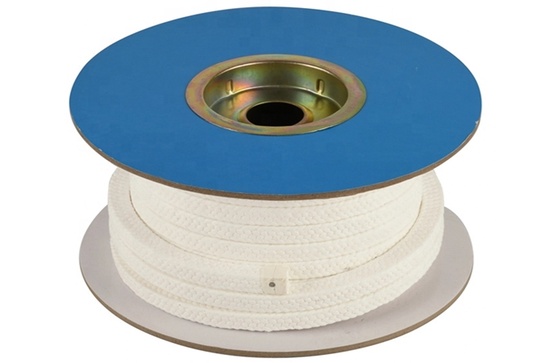
Gland packing, also called compression packing or braided packing, is a flexible sealing material installed in a stuffing box around a rotating shaft, reciprocating rod or valve stem.
The packing is normally cut into individual rings and installed around the shaft or stem. When the gland follower is tightened, axial compression causes the packing rings to expand radially, creating sealing contact with the equipment surfaces.
Braided gland packing is available in different fiber materials, lubricants, impregnations and reinforcement structures.
The correct packing should be selected according to the equipment, sealed medium, temperature, pressure, shaft speed and stuffing-box dimensions.
Longseal supplies gland packing for pumps, valves, mixers, agitators and other industrial equipment, with standard and customized products available for different operating conditions.
| Packing Type | Main Characteristics | Applications |
|---|---|---|
| Pure PTFE | Chemical resistance, cleanliness, low friction | Valves, chemical pumps, food/pharma |
| Graphite PTFE | Low friction, chemical resistance, improved heat dissipation | Pumps, valves, mixers |
| Expanded Graphite | Thermal resistance, conformability | Valves, steam and higher-temperature service |
| Aramid | High strength, abrasion resistance | Slurry, pulp, wastewater |
| Carbonized Fiber | Thermal conductivity, mechanical strength | Higher-speed rotating equipment |
| Acrylic PTFE | Economical, flexible general-purpose packing | General pumps and valves |
| PTFE + Aramid | Low friction + reinforced corners | More demanding pump service |
| Ramie | Flexible, shaft-friendly | Water and general pump service |
| Kynol | Chemical resistance, dimensional stability | Selected chemical pump and valve applications |


Pure PTFE Packing
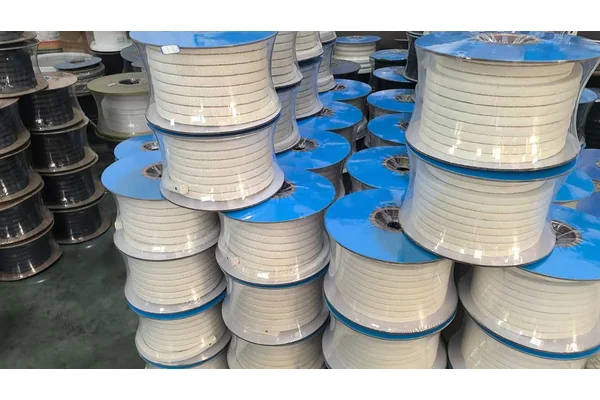
Pure PTFE Packing is a pure PTFE fibre yarn braided into the square cross-section and impregnated with PTFE dispersion. High cross-sectional density and structural strength. It is designed for valves and lower shaft speed application under medial pressure in food processing, pharmaceuticals, paper mills, fibre plants where high purity and corrosion resistance is required. PTFE packing can be also treated with lubrication, it is an economic type.

Acrylic PTFE Packing
Acrylic PTFE Packing is braided from high strength acrylic synthetic yarns with PTFE impregnated twice. The Acrylic PTFE packing has excellent properties of tightness, lubricity, and good resistance to chemicals. Wide variety of uses throughout a plant. Used in pumps and valves, it can handle most chemicals except strong acid, strong alkali, and a strong oxidizer. Especially for the condition of middle temperature, high pressure, high speed, and where contamination is not permitted.
Aramid PTFE Packing
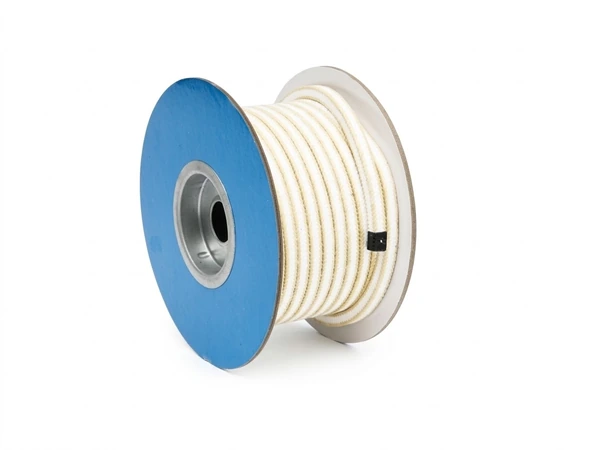
Aramid PTFE Packing braided from high-quality Dupont Aramid /Kevlar yarns which are uniformly impregnated with PTFE dispersion. The packing shows good chemical resistance, high elasticity, and very low cold flow. It is wear-resistant but may damage the shaft if not used properly.
The aramid fibre can be braided in many types for different applications, such as Aramid PTFE Packing with lubricant for a slurry service application, Spun aramid fibre packing with economical use; PTFE packing with Aramid corner, Graphite PTFE Packing with Aramid Corner, GPTFE & Aramid in Zebra braided packing, etc.
Carbonized Fiber Packing
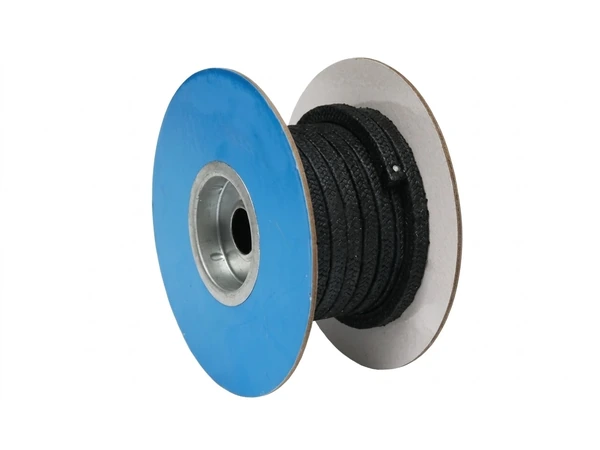
Carbonized fibre packing is braided from oxidized PAN fibre impregnated with PTFE, silicon-oil-free. Compared with traditional carbonized fibre packing, it is not brittle and is suitable for high peripheral speed applications.
With the high strength and good thermal conductivity of the PAN fibre, and excellent self-lubrication of the PTFE, the packing has a long life and does not damage shafts. The related carbon fibre packing for a different purpose is available, such as Carbonized fibre packing with graphite, Carbonized Fiber Packing Reinforced with Nickel wire, Carbon fibre packing.
Graphite Gland Packing
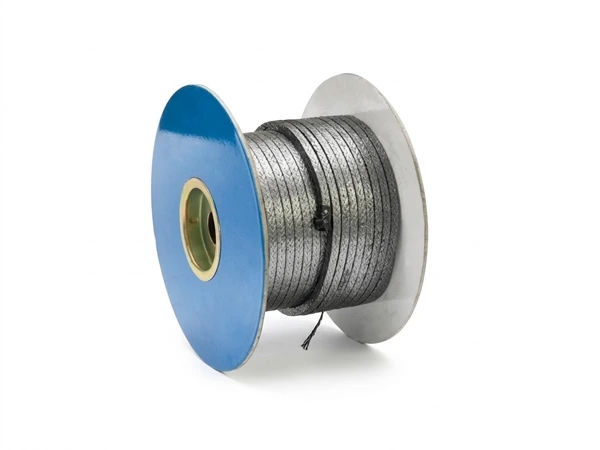
Graphite gland packing is braided from low-sulfur expanded graphite yarns, which are reinforced by cotton, carbon fibre, glass fibre, etc. It has very low friction and does not damage shafts or stems. It shows good thermal and chemical resistance and high elasticity. To improve mechanical strength, Graphite packing can be reinforced with Inconel wire, SS wire, nickel wire, etc metal materials.
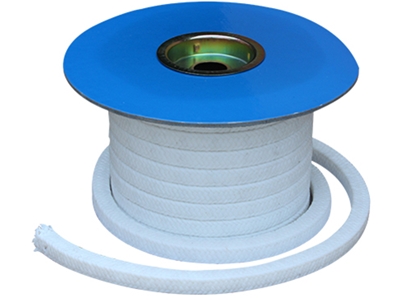
Pure PTFE Packing with Oil
Pure PTFE Packing with oil is an economical and practical sealing material that is widely used for sealing valves, pumps, mixers, and other equipment. It is compatible with most media and is an ideal choice for industries such as chemical, petroleum, food, and pharmaceuticals
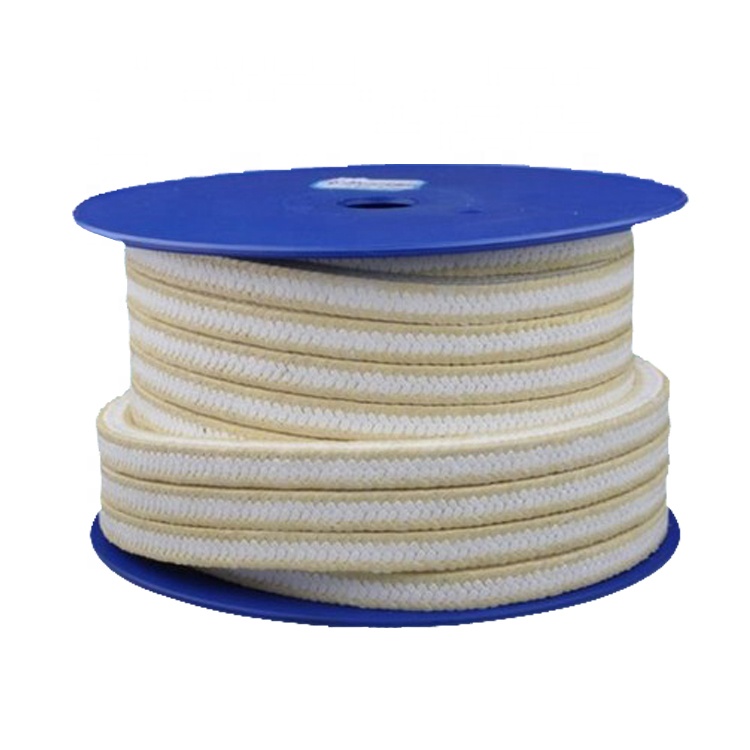
PTFE Packing With Aramid Corner
PTFE Packing with Aramid Corner is made of aramid yarns impregnated with PTFE, while the friction faces are made of pure PTFE yarns. This structure enhances the lubrication ability of aramid fiber and improves the strength of the pure PTFE. This unique multi-wire braiding technology enhances both lubricity and tensile strength, significantly extending service life in demanding applications.
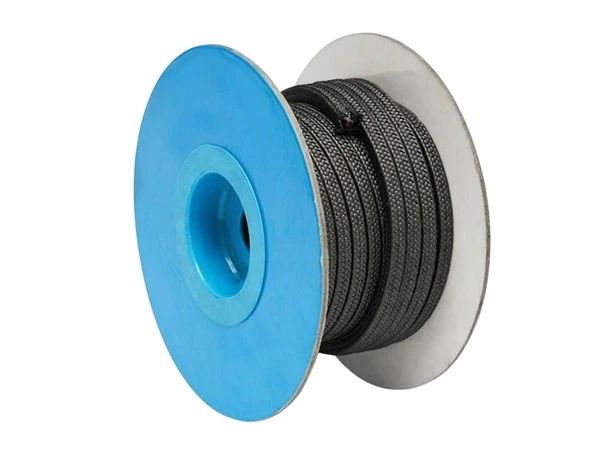
Graphite PTFE Packing
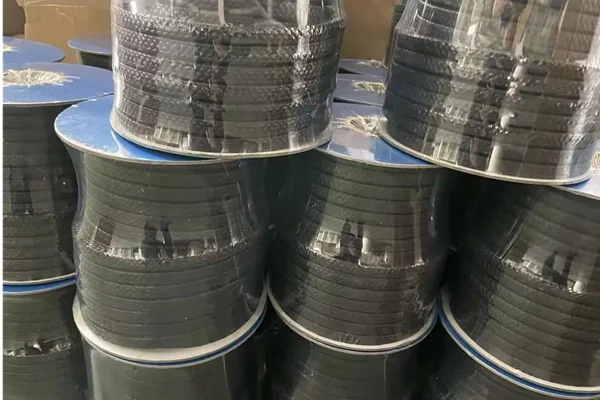
Graphite PTFE (gPTFE) braided packing, also known as Black PTFE Packing, is a high-performance sealing material made from braided PTFE yarn uniformly embedded with graphite particles. the Graphite PTFE packing can be widely used in most chemical pump applications, except for molten alkali metals, fluoride solutions, fuming nitric acid, and other strong oxidizing agents

Kynol Fiber Packing
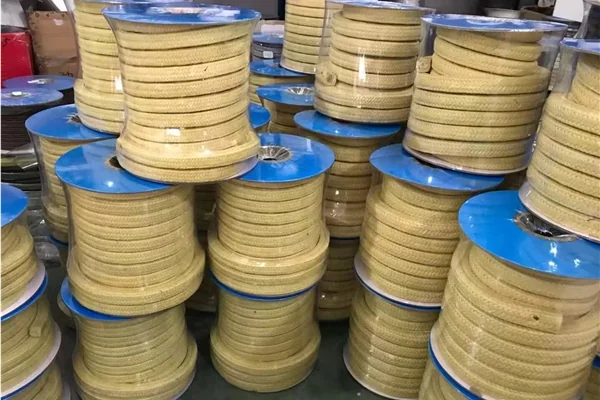
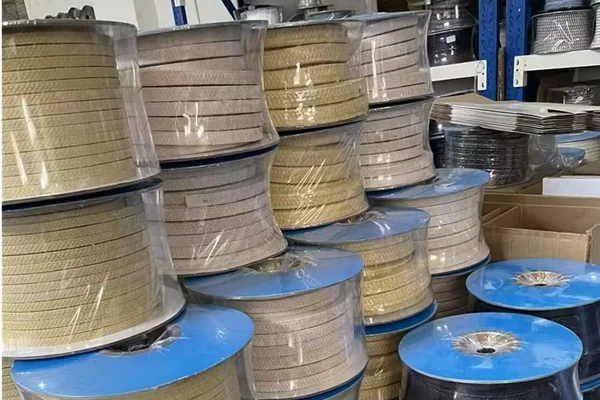
Kynol Fiber Packing Braided (GOLDEN Packing) is made with high-performance Kynol fibers, ensuring durability and reliability. The special process assures thorough lubrication for a longer Packing life. Its unique design and material combination ensure outstanding performance in high-temperature, high-pressure, and chemically corrosive environments, making it an ideal choice for pump and valve sealing.
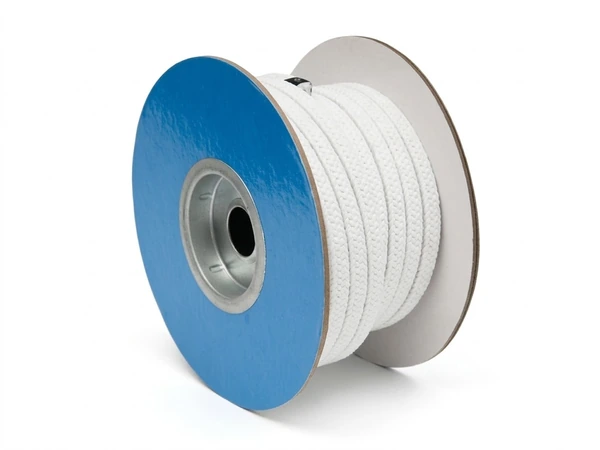
Ramie Fiber Packing
Ramie Fiber packing is made of high-quality ramie fiber, impregnated with light-colored, special PTFE, and lubricant during square plaiting operation.it is not harsh on shafts and stems. It is widely used for pumps, refinery equipment, filters, valves, etc. It is also available with Ramie fiber packing with a silicon rubber core,high-elasticity silicone core absorbs vibration, improves sealing, and controls leakage.


Gland Packing FAQ


Gland Packing – Selection Guide
Correct gland packing selection depends on both the sealing material and the operating conditions of the equipment. A packing grade that performs well in a valve may not be suitable for a high-speed pump or abrasive slurry service. Before selecting a packing material, review the equipment type, stuffing-box dimensions, medium, temperature, pressure and shaft or stem conditions.
What Is Gland Packing?
Gland packing is a flexible braided compression sealing material used around rotating shafts, reciprocating rods and valve stems.
The packing is installed as individual rings inside a stuffing box and compressed by a gland follower. Compression causes the rings to expand radially and create sealing contact with the shaft or stem and the stuffing-box wall. Depending on the application, gland packing may permit controlled leakage for lubrication and cooling, particularly in rotating pump applications. Packing constructions are available in PTFE, graphite, aramid, carbonized fiber and other materials to provide different combinations of chemical resistance, friction behavior, mechanical strength and thermal performance.

2. How Does Gland Packing Work?
When the gland follower applies axial pressure to the installed packing rings, the flexible packing material expands radially.
This radial expansion establishes contact with the equipment surfaces and restricts leakage through the stuffing box.
In rotating equipment, the packing must provide sufficient sealing while avoiding excessive friction and heat generation.
Proper installation and gland adjustment are therefore important. Excessive compression can cause overheating and shaft wear, while insufficient compression may result in uncontrolled leakage.
.

3. How to Select Gland Packing?
A practical way to organize gland packing selection is to review six basic operating parameters:
Size: Confirm the shaft or stem diameter, stuffing-box bore and required packing cross-section.
Temperature: Determine the normal and maximum operating temperature of the equipment and medium.
Application: Identify whether the packing will be used in a pump, valve, mixer, agitator or reciprocating equipment.
Medium: Confirm the fluid or gas being sealed and its chemical compatibility with the packing material.
Pressure: Review the operating and maximum system pressure.
Shaft Speed: For rotating equipment, confirm the shaft speed or surface velocity because higher speeds increase friction and heat generation.
The combination of these parameters should be compared with the technical data of the selected packing grade before installation.

4. Gland Packing Installation Overview
Correct installation has a major influence on gland packing performance

A standard installation includes:
Isolate and secure the equipment according to the site safety procedure.
Remove all old packing rings from the stuffing box.
Inspect and clean the shaft, sleeve, stem and stuffing-box surfaces.
Confirm the correct packing cross-section.
Cut individual packing rings accurately.
Install the rings one at a time and stagger the joints according to the approved procedure.
Seat each ring correctly before installing the next ring.
Tighten the gland follower evenly.
Start and adjust the packing according to the equipment and packing manufacturer’s procedure.
Do not overtighten the gland. Excessive compression can generate heat, increase friction and damage the packing or shaft.
For detailed cutting, packing installation and start-up instructions, see our complete installation guide.

5. When Should Gland Packing Be Replaced?
Gland Packing seal replacement intervals cannot be determined by one universal operating time.
Replacement may be required when:
leakage can no longer be controlled by normal gland adjustment;
stuffing-box temperature increases abnormally;
the packing becomes hardened, brittle or heavily worn;
shaft or sleeve wear becomes excessive;
gland adjustment reaches its practical limit;
process or operating conditions have changed.
Equipment condition should be inspected whenever packing is replaced.

6. Choose the Right Packing Material for Your Application
The suitable gland packing is not only considered by the material but also depends on the application field
Packing should match the actual combination of equipment, medium, temperature, pressure, shaft speed and maintenance requirements.
For general material selection:
Choose PTFE packing for strong chemical resistance and clean service.
Consider graphite PTFE packing where low friction and improved heat dissipation are required.
Consider expanded graphite packing for demanding valve and higher-temperature applications.
Select aramid packing for abrasive or mechanically demanding media.
Consider carbonized fiber packing for selected higher-speed rotating equipment.
If the application is unclear, send us the operating data before placing an order